For most individuals with a compromised stratum corneum, the initial stages of skin barrier repair typically take between 2 to 4 weeks. This timeframe aligns with the natural skin cell turnover cycle, known as desquamation, where new keratinocytes migrate from the basal layer to the surface to replace damaged cells [1]. However, depending on the severity of the disruption—whether caused by over-exfoliation, environmental stressors, or dermatitis—full physiological restoration of the lipid bilayer can take up to 45 days in mature or highly sensitised skin [2].
While superficial symptoms like stinging or redness may subside within a few days of starting a reparative regimen, the underlying biochemical structure requires more time to stabilise. The synthesis of essential lipids, specifically ceramides, cholesterol, and fatty acids, must be replenished to restore the 'mortar' between skin cells [3]. During this period, it is crucial to maintain a consistent routine involving physiological lipids and humectants to prevent further transepidermal water loss (TEWL) and ensure the barrier is robust enough to resume the use of active ingredients [4].
The skin barrier, or stratum corneum, functions as a brick-and-mortar structure where keratinocytes are the bricks and a complex lipid matrix acts as the mortar. When this barrier is breached, the body initiates a wound-healing response that involves the immediate release of pre-formed lamellar bodies to plug the gaps, followed by a slower up-regulation of lipid synthesis [2]. This homeostatic mechanism is highly sensitive to the external environment and the pH of topical applications.
From a biochemical perspective, maintaining an acidic surface pH (around 4.7 to 5.7) is vital for the enzymes responsible for lipid processing, such as β-glucocerebrosidase [5]. If the skin's pH is elevated due to harsh cleansers, these enzymes become sluggish, significantly delaying the repair process. Therefore, barrier recovery is not just about time, but about providing the correct chemical environment to facilitate endogenous repair mechanisms [1].
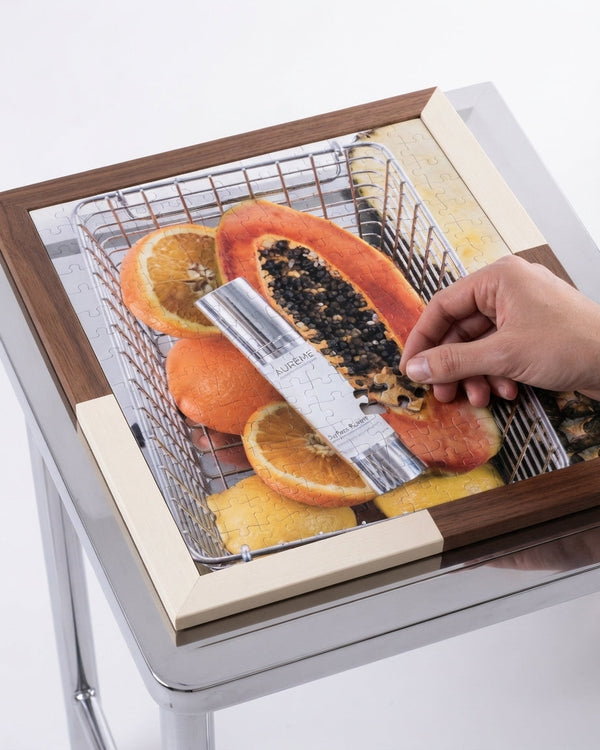
During this delicate recovery phase, supporting the microbiome with ingredients like Bifida Ferment Lysate found in our Balance Biome Crème can help nurture a more resilient complexion while the lipid barrier stabilises. To ensure this process isn't disrupted during cleansing, many of our customers turn to Surface Calm, which is formulated with a bio-identical ceramide complex and Panthenol to provide a gentle, non-stripping wash that respects the skin’s natural defence systems.
FAQ
What are the signs that my skin barrier is actually repaired?
A healthy barrier is characterised by a lack of reactivity to gentle products, a smooth texture, and consistent hydration levels throughout the day [3]. You will notice that 'tightness' after cleansing disappears, and the visible redness or 'sheen' associated with inflammation resolves as the inflammatory cytokine response tapers off [4].
Can I speed up the barrier healing process?
While biological processes have set rhythms, you can avoid delays by using a 'physiological lipid' moisturiser containing a 3:1:1 ratio of ceramides, cholesterol, and fatty acids [2]. Avoiding irritants like alcohol, fragrance, and high-strength acids (AHAs/BHAs) is essential, as these can trigger further cytokine release and stall the keratinocyte maturation process [5].
Does age affect how long repair takes?
Yes, the rate of epidermal recovery slows significantly with age. In younger Australian adults, the barrier may recover in 2 weeks, whereas in those over 50, the process often takes 6 weeks or longer due to a naturally lower concentration of lipids and a slower cellular turnover rate [1][3].
References:
[1] Del Rosso JQ, et al. The Journal of Clinical and Aesthetic Dermatology. 2016;9(12):39-44. doi:10.12788/0013-9351.2016.0022
[2] Pappas A. Dermato-Endocrinology. 2009;1(2):77-86. doi:10.4161/derm.1.2.7811
[3] Proksch E, et al. Experimental Dermatology. 2008;17(12):1063-1072. doi:10.1111/j.1600-0625.2008.00774.x
[4] Elias PM. Journal of Investigative Dermatology. 2005;124(6):1126-1135. doi:10.1111/j.0022-202X.2005.23668.x
[5] Schurer NY, et al. Archives of Dermatological Research. 1991;283(7):467-471. doi:10.1007/BF00371926
Medical Disclaimer: This article is for educational purposes only and does not constitute medical advice. Always consult a qualified healthcare professional before starting any new skincare regimen. Content reviewed by a biomedical scientist.