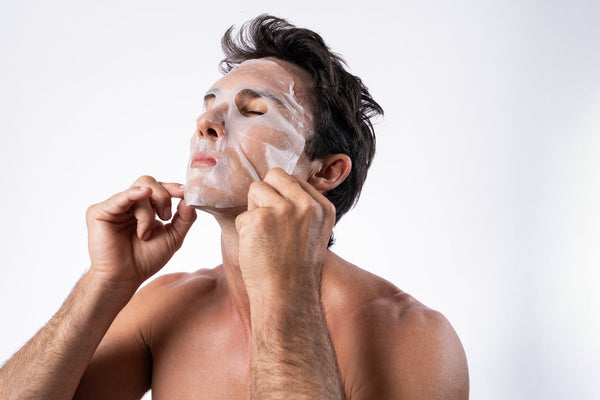
For most individuals, exfoliating two to three times per week is the evidence-based recommendation for maintaining optimal skin cell turnover without compromising the stratum corneum [1]. This frequency allows for the effective removal of corneocytes—dead skin cells that have reached the end of their lifecycle—preventing the dullness and follicular occlusion that lead to breakouts. However, the 'ideal' frequency is highly dependent on your specific skin phenotype and the concentration of the active ingredients used [2].
If you are using chemical exfoliants like Alpha Hydroxy Acids (AHAs) or Beta Hydroxy Acids (BHAs) at lower concentrations, your skin may tolerate more frequent application, whereas high-strength clinical peels should be limited to once weekly or fortnightly [3]. In the harsh Australian climate, where UV radiation can further sensitise the skin, it is critical to monitor for signs of transepidermal water loss (TEWL). If you experience redness, stinging, or a 'waxy' appearance, it is an indication that you are over-exfoliating and disrupting the lipid barrier, necessitating a reduction in frequency [4].
Desquamation is the biological process by which the skin naturally sheds dead cells. In a healthy young adult, this cycle typically takes 28 days; however, as we age, this process slows down, leading to a thickened stratum corneum and a loss of radiance [1]. Exfoliation serves as a clinical intervention to catalyse this process, either through mechanical force or by lowering the pH of the skin to dissolve the desmosomes—the protein bridges that hold skin cells together [3].
From a formulation science perspective, the efficacy of an exfoliant is determined by its pKa value and the final pH of the product. When the pH is significantly higher than the pKa, the acid dissociates, becoming less effective at penetrating the lipid-rich layers of the skin [2]. Understanding this balance is essential for Australian consumers who must manage high environmental oxidative stress alongside their active skincare routines to avoid chronic inflammation and premature ageing [5].
For those looking to integrate gentle exfoliation into their daily routine, our Surface Renew AHA Enzyme Cleanser was formulated with a specialised AHA Fruit Complex and pineapple-derived enzymes to support cell turnover without compromising the skin's natural defence. Following this with a peptide-rich moisturiser like Cellular Crème can help seal the barrier and maintain suppleness, ensuring your skin remains nourished after the resurfacing process.
FAQ
Can I exfoliate every day if I have oily skin?
While oily skin types often have a more robust barrier and higher sebum production, daily exfoliation is generally not advised. Excessive removal of surface lipids can trigger 'reactive seborrhoea,' where the skin produces even more oil to compensate for a compromised barrier [4]. A frequency of three to four times a week using a lipophilic BHA like salicylic acid is usually sufficient to clear lipid-congested pores [2].
Should I exfoliate in the morning or evening?
Evening is the preferred time for exfoliation. Chemical exfoliants, particularly AHAs, can increase photosensitivity by removing the protective upper layer of dead cells, making the skin more vulnerable to UV-induced DNA damage [5]. By exfoliating at night, the skin has several hours to recover and undergo cellular repair before being exposed to the Australian sun [1].
Is chemical exfoliation better than physical scrubbing?
Biomedical research generally favours chemical exfoliation over physical scrubs. Physical exfoliants often contain irregular particles that can cause 'micro-tears' in the epidermis, leading to inflammation and opportunistic bacterial infections [3]. Chemical exfoliants provide a more uniform and controlled removal of cells while offering secondary benefits, such as humectancy (lactic acid) or anti-inflammatory properties (salicylic acid) [2].
References:
[1] Milani M, et al. Journal of Clinical and Aesthetic Dermatology. 2021;14(4):34-39. doi:10.12788/jcad.2021.012
[2] Kornhauser A, et al. Clinical, Cosmetic and Investigational Dermatology. 2010;3:135-142. doi:10.2147/CCID.S10101
[3] Rodan K, et al. Dermatologic Surgery. 2016;42(8):960-966. doi:10.1097/DSS.0000000000000787
[4] Draelos ZD. Journal of Cosmetic Dermatology. 2018;17(5):721-725. doi:10.1111/jocd.12703
[5] Passeron T, et al. Journal of the European Academy of Dermatology and Venereology. 2020;34(4):4-19. doi:10.1111/jdv.16040
Medical Disclaimer: This article is for educational purposes only and does not constitute medical advice. Always consult a qualified healthcare professional before starting any new skincare regimen. Content reviewed by a biomedical scientist.