To get rid of hormonal acne fast, a multifaceted approach targeting the underlying androgenic triggers is required. Clinical guidelines suggest that topical retinoids (such as adapalene or tretinoin) are the first line of defence, as they accelerate cellular turnover to clear comedones and reduce inflammation within weeks [1]. For rapid relief of deep, painful cysts, dermatologists in Australia may use intralesional corticosteroid injections, which can significantly reduce swelling and pain within 24 to 48 hours [2].
For long-term resolution, systemic intervention is often necessary to stabilise sebum production. Oral medications like spironolactone—an androgen receptor antagonist—effectively block the hormones that overstimulate sebaceous glands, while combined oral contraceptives containing anti-androgenic progestogens help regulate the menstrual cycle triggers [3]. Combining these with anti-inflammatory topicals like benzoyl peroxide or dapsone gel ensures that existing breakouts are treated while new ones are prevented from forming [4].
Hormonal acne is primarily driven by an increased sensitivity of the sebaceous glands to circulating androgens, particularly dihydrotestosterone (DHT). This hormonal fluctuation, common during the luteal phase of the menstrual cycle, leads to sebum hypersecretion and the follicular hyperkeratosis that characterises cystic lesions along the jawline and chin [1][3]. Unlike follicular acne, hormonal breakouts are often recalcitrant to standard over-the-counter washes.
The pathophysiology involves the upregulation of the enzyme 5-alpha reductase within the skin, which converts testosterone into its more potent form, DHT. This process triggers an inflammatory cascade and provides a lipid-rich environment for Cutibacterium acnes to proliferate [5]. Effective management requires shifting the skin's microenvironment from a pro-inflammatory state to one of homeostasis through both topical and systemic modulation.
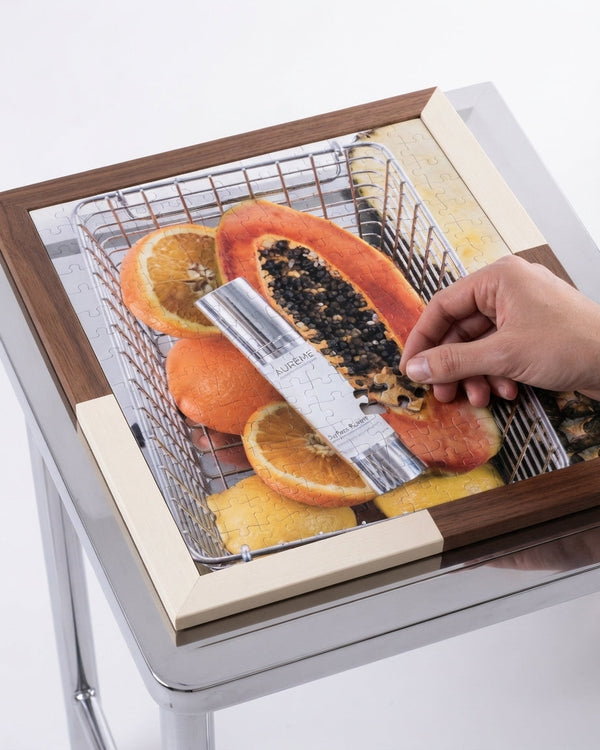
While clinical interventions address the internal drivers of congestion, supporting your skin’s barrier during treatment helps to minimise irritation and maintain a balanced complexion. For those managing more persistent breakouts, our Surface Purify is formulated with Salicylic Acid and Bakuchiol to clarify pores without stripping the skin, while Balance Biome Crème utilises Niacinamide and Bifida Ferment Lysate to encourage resilience and calm during periods of hormonal fluctuation.
FAQ
Can diet help clear hormonal acne quickly?
While diet alone won't 'cure' hormonal acne overnight, reducing high-glycaemic index foods can lower insulin-like growth factor 1 (IGF-1) levels. High IGF-1 is known to stimulate androgen production and sebum synthesis, so avoiding processed sugars can help minimise the severity of flare-ups [4][6].
Are natural remedies like tea tree oil effective for hormonal cysts?
Tea tree oil possesses antimicrobial and anti-inflammatory properties that can assist in treating superficial lesions. However, scientific data suggests it is less effective than pharmaceutical-grade retinoids or benzoyl peroxide for deep-seated hormonal cysts, which reside deeper in the dermis where topical oils often fail to penetrate effectively [2][7].
How long does it typically take to see results from hormonal treatments?
Most evidence-based hormonal treatments, such as spironolactone or the pill, require approximately three months (three full menstrual cycles) to show peak efficacy. Topical retinoids may produce noticeable improvements in skin texture and lesion count within 4 to 6 weeks of consistent nightly use [1][3].
References:
[1] Zaenglein AL, et al. Guidelines of care for the management of acne vulgaris. Journal of the American Academy of Dermatology. 2016;74(5):945-973. doi:10.1016/j.jaad.2015.12.037
[2] Thiboutot D, et al. Practical management of acne for clinicians. International Journal of Dermatology. 2018;57(1):1-12. doi:10.1111/ijd.14022
[3] Ebede TL, et al. Hormonal Treatment of Acne in Women. The Journal of Clinical and Aesthetic Dermatology. 2009;2(12):16-22.
[4] Bowe WP, et al. Diet and acne. Journal of the American Academy of Dermatology. 2010;63(1):124-141. doi:10.1016/j.jaad.2009.07.043
[5] Zouboulis CC. Endocrinology and immunology of acne. Reviews in Endocrine and Metabolic Disorders. 2017;18(2):165-170. doi:10.1007/s11154-017-9417-z
[6] Melnik BC. Evidence for acne-promoting effects of milk and other insulinotropic dairy products. Nestle Nutr Workshop Ser Pediatr Program. 2011;67:131-45. doi:10.1159/000325580
[7] Hammer KA. Treatment of acne with tea tree oil (melaleuca oil). Journal of Applied Microbiology. 2015;118(4):763-7. doi:10.1111/jam.12707
Medical Disclaimer: This article is for educational purposes only and does not constitute medical advice. Always consult a qualified healthcare professional before starting any new skincare regimen. Content reviewed by a biomedical scientist.