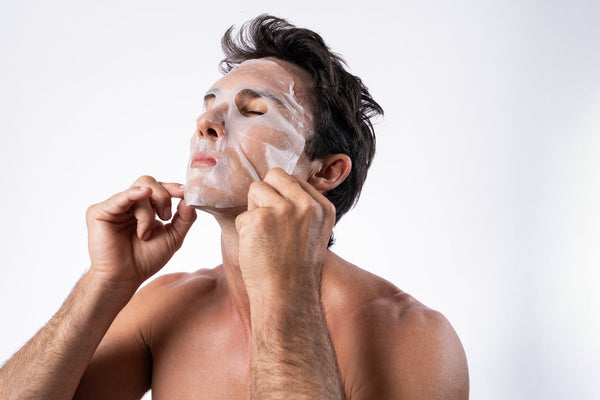
A fundamental daily skincare routine is built upon three core pillars: cleansing, moisturising, and sun protection. In the morning, the primary goal is physiological preparation and protection against environmental stressors. This involves using a pH-balanced cleanser to remove sebum accumulated overnight, followed by a broad-spectrum sunscreen with an SPF of 30 or higher. The application of sunscreen is the most critical step in an Australian context to mitigate the high UV index and prevent photoageing and carcinogenesis [1][2].
The evening routine shifts focus toward restoration and the removal of exogenous pollutants and debris. A thorough cleanse is necessary to clear the skin of environmental pollutants, makeup, and residual sunscreen, which can otherwise induce oxidative stress and follicular occlusion. Following cleansing, the application of a humectant and occlusive-based moisturiser is essential to support the skin's barrier function. This helps to reduce transepidermal water loss (TEWL) and facilitates the natural repair mechanisms of the stratum corneum while you sleep [3][4].
From a dermatological perspective, a skincare routine aims to maintain the integrity of the stratum corneum and the acid mantle. The skin's surface typically maintains a slightly acidic pH (4.7–5.75), which is vital for antimicrobial defence and the optimal functioning of enzymes involved in lipid synthesis. Disrupting this delicate balance with harsh surfactants can lead to barrier dysfunction, increased sensitivity, and inflammatory responses [2][5].
Furthermore, the efficacy of a daily routine is heavily influenced by the formulation's ability to interact with the skin's lipid matrix. Modern skincare utilises delivery systems such as liposomes or nano-emulsions to ensure that active molecules can penetrate the hydrophobic barrier of the skin. By consistently applying targeted ingredients, we can modulate physiological processes such as collagen synthesis and melanogenesis, leading to measurable improvements in skin health and appearance over time [3][6].
To support the skin’s natural barrier during these foundational steps, those seeking a gentle start to their morning may appreciate a formula like Surface Calm, which utilises ceramides to ensure the cleansing process remains non-stripping and restorative. For the essential moisturising phase, Balance Biome Crème is designed with a specialised probiotic complex to maintain a resilient, healthy-looking complexion throughout the day.
FAQ
Is a morning cleanse always necessary for all skin types?
While traditional advice suggests twice-daily cleansing, the necessity of a morning cleanse depends on skin phenotype and nocturnal sebum production. For individuals with extremely dry or sensitive skin, a tepid water rinse may suffice to preserve the natural lipid barrier, whereas those with oily or acne-prone skin require a surfactant-based cleanse to remove excess lipids that can foster the growth of Cutibacterium acnes [4][5].
How long should I wait between applying different skincare steps?
Scientific consensus suggests that most products do not require a specific 'wait time' unless they are pH-dependent, such as L-ascorbic acid or chemical exfoliants. However, allowing a moisturiser to touch-dry before applying sunscreen ensures the photoprotective film is not diluted or disrupted, maintaining the integrity of the UV filters [1][6].
Why is moisturising important even if my skin feels oily?
Oily skin refers to an overproduction of sebum, not hydration levels. Dehydrated skin (lacking water) can exist alongside oily skin. Using a lightweight, non-comedogenic moisturiser helps regulate the skin barrier; when the barrier is compromised and loses water, the skin may actually increase sebum production as a compensatory mechanism, potentially exacerbating oiliness and congestion [3][5].
References:
[1] Lademann J, et al. Sunscreens: an overview and update. Journal of Biomedical Optics. 2021;26(10):100601. doi:10.1117/1.JBO.26.10.100601.
[2] Schneider LA, et al. Influence of pH on wound-healing: a new perspective for wound-therapy? Archives of Dermatological Research. 2007;298(9):413-420. doi:10.1007/s00403-006-0713-x.
[3] Rawlings AV, et al. Moisturizers: what they are and a practical approach to product selection. Skin Therapy Letter. 2005;10(10):1-8.
[4] Papakonstantinou E, et al. Hyaluronic acid: A key molecule in skin aging. Dermato-Endocrinology. 2012;4(3):253-258. doi:10.4161/derm.21923.
[5] Surber C, et al. The Acid Mantle: A Myth or an Essential Part of Skin Health? Current Problems in Dermatology. 2018;54:1-10. doi:10.1159/000489512.
[6] Benson HAE. Skin Care Formulation and Delivery. Cosmetics. 2019;6(4):67. doi:10.3390/cosmetics6040067.
Medical Disclaimer: This article is for educational purposes only and does not constitute medical advice. Always consult a qualified healthcare professional before starting any new skincare regimen. Content reviewed by a biomedical scientist.