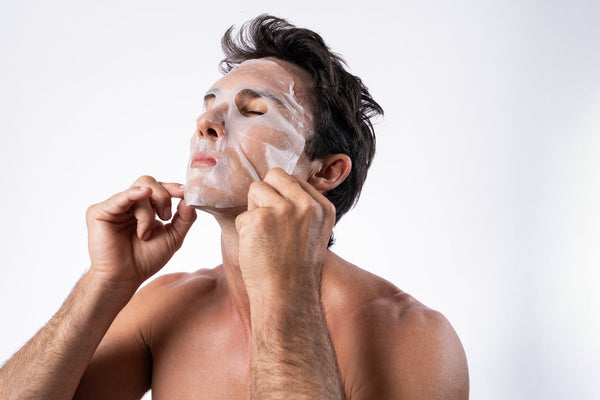
Peptides offer significant benefits in skincare primarily by acting as cellular messengers that signal the skin to perform specific physiological tasks, such as synthesising new structural proteins. The most well-documented benefit is the stimulation of collagen and elastin production; as short chains of amino acids, specific signal peptides mimic the fragments generated when collagen breaks down naturally, tricking the skin into producing fresh collagen to replace it [1]. This results in improved skin firmness, increased elasticity, and a measurable reduction in the depth of fine lines and wrinkles [2].
Furthermore, peptides play a crucial role in strengthening the skin's barrier function and modulating inflammatory responses. Certain antimicrobial peptides (AMPs) enhance the skin's natural defence mechanisms against pathogens, while others improve hydration by increasing the expression of involucrin and filaggrin, proteins essential for a healthy stratum corneum [3]. By stabilising the skin's structural integrity and soothing sensitivity, peptides provide a comprehensive approach to anti-ageing that is generally better tolerated than more aggressive actives like retinoids [4].
From a biochemical perspective, peptides are short polymers of amino acids linked by peptide bonds. In dermatological applications, they are categorised into four functional groups: signal peptides, neurotransmitter-inhibiting peptides, carrier peptides, and enzyme-inhibitor peptides [1]. Each group targets different pathways; for example, neurotransmitter inhibitors like Acetyl Hexapeptide-8 interfere with the protein complex responsible for muscle contraction, providing a topical effect similar to botulinum toxin, albeit to a lesser anatomical depth [5].
The efficacy of peptides is heavily dependent on their molecular weight and lipophilicity, as they must penetrate the stratum corneum to reach the viable epidermis or dermis. Modern delivery systems, including conjugation with fatty acid chains (palmitoylation), have significantly enhanced the bioavailability of these molecules, allowing them to remain stable and active within the complex environment of the skin's lipid bilayers [2].
For those looking to integrate these messenger molecules into their daily ritual, Cellular Thread is a lightweight serum formulated with a specialised Cellular Peptide Complex that the skin readily recognises to support youth-maintenance and luminosity. To further assist with barrier resilience and overnight repair, this may be paired with Cellular Crème, a rich peptide moisturiser designed to seal in hydration while encouraging a firmer, more supple appearance.
FAQ
How do peptides differ from proteins like collagen in skincare?
The primary difference lies in molecular size. Proteins like collagen are large molecules that generally cannot penetrate the skin barrier when applied topically; they instead act as humectants on the surface. In contrast, peptides are smaller fragments that can be engineered to penetrate deeper and actively signal cells to regenerate the skin's own internal collagen matrix [1], [6].
Can peptides help with sensitive skin or redness?
Yes, specific anti-inflammatory peptides can reduce the release of pro-inflammatory cytokines, helping to soothe reactive skin and reduce redness. By reinforcing the skin barrier through the upregulation of essential lipids and proteins, peptides make the skin less susceptible to external irritants that trigger sensitivity [3], [4].
What are neurotransmitter-inhibiting peptides?
Neurotransmitter-inhibiting peptides, often referred to as 'Botox in a jar', work by disrupting the Snare complex in the skin. This inhibits the release of acetylcholine, which is required for muscle contraction. By reducing the intensity of repetitive facial expressions, these peptides help prevent the formation of dynamic wrinkles, particularly around the eyes and forehead [2], [5].
References:
[1] Schagen SK. Topical Peptide Treatments with Effective Anti-Aging Results. Cosmetics. 2017;4(2):16. doi:10.3390/cosmetics4020016
[2] Gorouhi F, Maibach HI. Role of topical peptides in preventing or treating aged skin. International Journal of Cosmetic Science. 2009;31(5):327-345. doi:10.1111/j.1468-2494.2009.00490.x
[3] Mangoni ML, et al. Antimicrobial peptides: a new class of antibiotics for the treatment of skin infections. Current Topics in Medicinal Chemistry. 2016;16(1):67-82.
[4] Levin J, Momin SB. How much do we really know about our favorite cosmeceutical ingredients? The Journal of Clinical and Aesthetic Dermatology. 2010;3(2):22-41.
[5] Lim SH, et al. Effect of Acetyl Hexapeptide-8 on the Skin Barrier and Facial Wrinkles. Journal of Cosmetic Dermatology. 2021;20(9):2885-2890. doi:10.1111/jocd.14207
[6] Pickart L, Margolina A. Regenerative and Protective Actions of the GHK-Cu Peptide in the Light of the New Gene Data. International Journal of Molecular Sciences. 2018;19(7):1987. doi:10.3390/ijms19071987
Medical Disclaimer: This article is for educational purposes only and does not constitute medical advice. Always consult a qualified healthcare professional before starting any new skincare regimen. Content reviewed by a biomedical scientist.