To address the premise of the question, it is clinically impossible to 'permanently' clear pores because sebum production is a continuous physiological function necessary for skin barrier health. However, long-term resolution of clogged pores and blackheads (open comedones) is achievable through consistent pharmacological intervention that targets the three pillars of comedogenesis: follicular hyperkeratosis, excess sebum production, and microbial proliferation [1]. The gold standard for maintaining clear pores involves the use of oil-soluble Beta Hydroxy Acids (BHAs), specifically Salicylic Acid, which penetrates the lipid-rich environment of the pore to desquamate dead skin cells from within [2].
For sustained results, topical retinoids (such as adapalene or retinol) are essential as they normalise the cellular turnover within the follicle, preventing the initial formation of the keratinaceous 'plug' known as a microcomedone [3]. In Australia, where environmental factors can increase sebum fluidity, incorporating Niacinamide can further help by regulating sebaceous gland activity and improving pore elasticity. While you cannot permanently stop the pore from functioning, a maintenance routine involving these actives keeps the follicular canal clear and prevents the oxidation of sebum that leads to the darkening characteristic of blackheads [4].
From a biomedical perspective, a blackhead is a 'plug' of sebum and exfoliated keratinocytes that has reached the surface of the pore (ostium). The dark colour is not dirt, but rather the Result of melanin and lipid oxidation when exposed to the air—a process known as comedonal oxidation [1]. The diameter of a pore is largely determined by genetics and collagen integrity; however, chronic clogging can lead to 'stretched' pores that appear larger over time.
Clearing these obstructions requires a dual-phase approach: chemical exfoliation to break down existing impactions and structural regulation to ensure new cells do not accumulate abnormally. Because the sebaceous glands are governed by hormonal signals (specifically androgens), topical treatments must be applied consistently to counteract the daily biological drive to produce sebum [5]. Failure to maintain the routine typically results in the recurrence of comedones within one to two skin cycles (approximately 4-8 weeks).
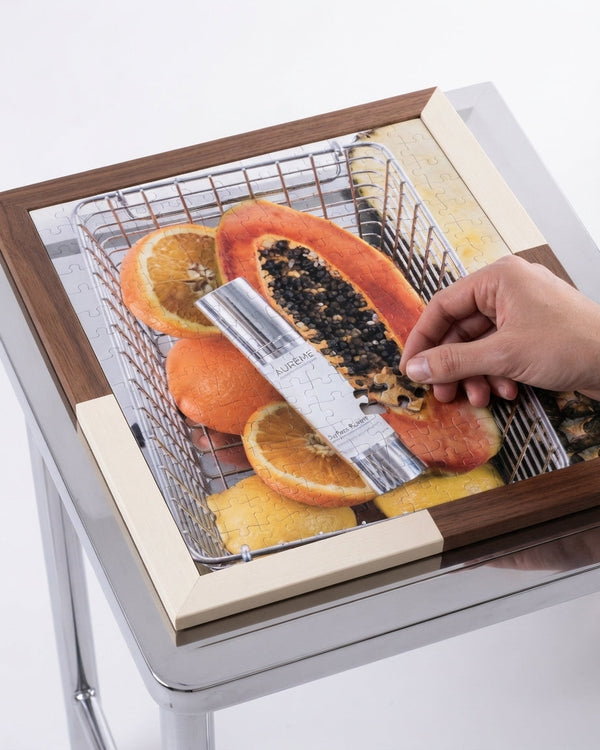
For those looking to manage follicular congestion, our Surface Purify cleanser was formulated with salicylic acid and bakuchiol to gently clarify the pores without compromising the skin's essential moisture. To support a healthy skin barrier during this process, some of our customers find that pairing this with Balance Biome Crème helps maintain a calm, balanced complexion through the inclusion of soothing probiotics and niacinamide.
FAQ
Can pore strips or extractions offer a permanent fix?
Pore strips and manual extractions provide only a temporary, mechanical removal of the 'sebaceous filament' or comedone head. They do not address the underlying hyperkeratosis or sebum overproduction. Furthermore, aggressive physical extraction can damage the follicular wall and lead to permanent scarring or enlarged pores [2][4].
Does diet influence the recurrence of clogged pores?
Evidence suggests that high-glycaemic index diets can elevate insulin-like growth factor 1 (IGF-1), which stimulates androgen production and sebaceous gland lipogenesis. In some Australian clinical observations, reducing dairy and refined sugars has been shown to support topical treatments in maintaining clearer skin by reducing the systemic triggers for sebum production [5].
How long does it take to see results from chemical exfoliants?
While BHAs can provide an immediate improvement in skin texture, the true physiological clearing of clogged pores requires at least 4 to 12 weeks of consistent use. This timeline aligns with the natural desquamation cycle of the epidermis and the time required for retinoids to re-programme follicular behaviour [1][3].
References:
[1] Zaenglein AL, et al. Guidelines of care for the management of acne vulgaris. Journal of the American Academy of Dermatology. 2016;74(5):945-973. doi:10.1016/j.jaad.2015.12.037
[2] Bae J, et al. The effect of salicylic acid on comedones and sebum excretion rate. International Journal of Cosmetic Science. 2021;43(2):142-150. doi:10.1111/ics.12678
[3] Leyden J, et al. Why Topical Retinoids Are Mainstay of Therapy for Acne. Dermatology and Therapy. 2017;7(3):293-304. doi:10.1007/s13555-017-0185-2
[4] Draelos ZD. The effect of a daily facial cleanser for normal to oily skin on the skin barrier. Journal of Clinical and Aesthetic Dermatology. 2018;11(3):18-22.
[5] Kucharska A, et al. Significance of diet in treated and untreated acne vulgaris. Postepy Dermatologii i Alergologii. 2016;33(2):81-86. doi:10.5114/ada.2016.59146
Medical Disclaimer: This article is for educational purposes only and does not constitute medical advice. Always consult a qualified healthcare professional before starting any new skincare regimen. Content reviewed by a biomedical scientist.