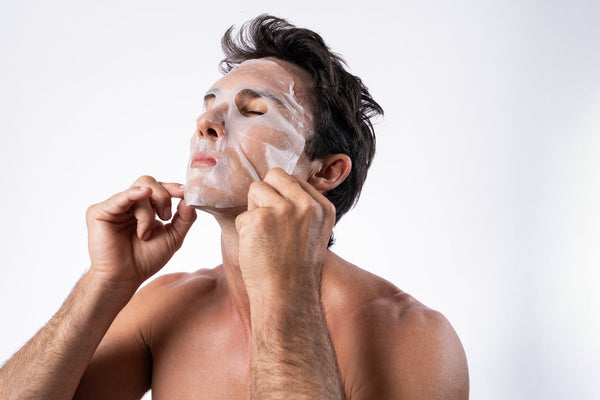
Niacinamide, a water-soluble form of vitamin B3, acts as a precursor to the essential cofactors nicotinamide adenine dinucleotide (NAD) and its phosphate form (NADP). These molecules are crucial for cellular energy metabolism and repair processes. When applied topically, niacinamide significantly enhances the skin's barrier function by stimulating the synthesis of ceramides, free fatty acids, and cholesterol in the stratum corneum [1]. This reinforces the lipid bilayer, reducing transepidermal water loss (TEWL) and improving the skin's resilience against environmental irritants and pollutants [2].
Beyond barrier repair, niacinamide is highly effective at modulating sebum production and improving the appearance of enlarged pores. It exerts an anti-inflammatory effect that is particularly beneficial for acne-prone skin, as it inhibits the production of pro-inflammatory cytokines such as IL-8 [3]. Furthermore, it addresses hyperpigmentation by inhibiting the transfer of melanosomes from melanocytes to surrounding keratinocytes, unlike other brightening agents that target tyrosinase activity directly [4]. This makes it a versatile ingredient for evening out skin tone and reducing the appearance of dark spots caused by sun damage or post-inflammatory processes.
From a biochemical perspective, niacinamide serves as a potent antioxidant that helps neutralise oxidative stress induced by UV radiation and urban pollution. By boosting levels of NADH/NADPH, it provides the necessary reducing power to maintain cellular redox balance and support DNA repair mechanisms [5]. This contributes to its anti-ageing profile, as it helps mitigate the degradation of collagen and elastin while stimulating new protein synthesis in the dermal matrix.
In the Australian climate, niacinamide is particularly valued for its photo-protective properties. While it is not a replacement for traditional sunscreens, studies show that topical niacinamide can help protect the skin's immune system (Langerhans cells) from being suppressed by UV light [6]. This auxiliary protection, combined with its ability to reduce yellowing (sallowing) of the skin caused by protein glycation, makes it a cornerstone ingredient in modern dermatological formulations designed for long-term skin health.
If you are looking to integrate this versatile vitamin into your daily ritual, our Balance Biome Crème includes niacinamide to support barrier resilience and a balanced complexion. For those seeking lightweight hydration alongside these brightening benefits, our C-Veil Citrine Tonic also features niacinamide to help achieve a more radiant and even skin tone.
FAQ
Can niacinamide be used with vitamin C?
Yes, modern research indicates that niacinamide and vitamin C can be used together effectively. Older concerns regarding their incompatibility and the formation of 'nicotinic acid' were based on high-temperature laboratory conditions rather than physiological skin parameters [1][5]. When combined, they provide a multi-faceted approach to brightening and antioxidant protection, as they target pigment pathways through different biological mechanisms.
What concentration of niacinamide is most effective?
Clinical trials demonstrate that concentrations as low as 2% are effective for improving barrier function and reducing water loss [2]. For addressing hyperpigmentation, fine lines, and sebum control, concentrations between 4% and 5% are considered the 'sweet spot' for efficacy without increasing the risk of irritation [4]. While 10% or higher formulations exist, they may cause sensitivity in individuals with reactive skin.
Does niacinamide help with acne and redness?
Niacinamide possesses significant anti-inflammatory properties that help reduce the redness associated with acne, rosacea, and eczema [3]. By regulating oily secretions and preventing the clogging of pores, it helps minimise the frequency of breakouts. Its ability to stabilise the skin's immune response also helps reduce the severity of inflammatory lesions [6].
References:
[1] Tanno O, et al. Nicotinamide increases biosynthesis of ceramides as well as other stratum corneum lipids to improve the epidermal permeability barrier. Br J Dermatol. 2000;143(3):524-31. doi:10.1046/j.1365-2133.2000.03705.x
[2] Gehring W. Nicotinic acid/niacinamide and the skin. J Cosmet Dermatol. 2004;3(2):88-93. doi:10.1111/j.1473-2130.2004.00115.x
[3] Grange P, et al. Nicotinamide inhibits Propionibacterium acnes-induced IL-8 production in keratinocytes. Inflamm Res. 2009;58(9):627-34. doi:10.1007/s00011-009-0028-0
[4] Greatens A, et al. Effective inhibition of melanosome transfer to keratinocytes by lectins and niacinamide is reversible. Exp Dermatol. 2005;14(7):498-508. doi:10.1111/j.1600-0625.2005.00315.x
[5] Bissett DL, et al. Topical niacinamide reduces yellowing, wrinkling, red blotchiness, and hyperpigmented spots in aging facial skin. Dermatol Surg. 2005;31(7 Pt 2):860-5. doi:10.1111/j.1524-4725.2005.31732
[6] Snaidr VA, et al. Nicotinamide for photoprotection and skin cancer chemoprevention: A review. Australas J Dermatol. 2019;60(1):15-22. doi:10.1111/ajd.12934
Medical Disclaimer: This article is for educational purposes only and does not constitute medical advice. Always consult a qualified healthcare professional before starting any new skincare regimen. Content reviewed by a biomedical scientist.