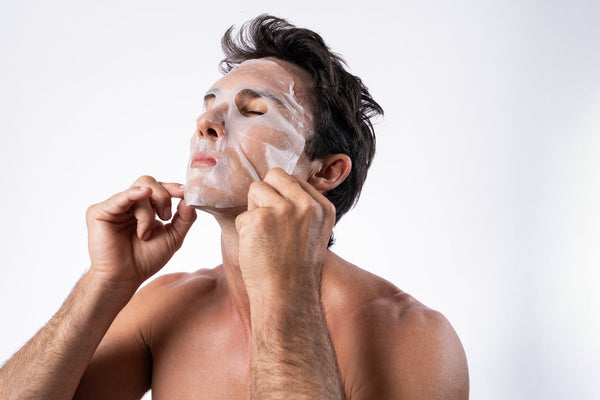
Niacinamide, a bioactive form of Vitamin B3, serves as a versatile pleiotropic agent that enhances the structural and functional integrity of the skin barrier. Primarily, it increases the synthesis of ceramides, free fatty acids, and cholesterol in the stratum corneum, which significantly reduces transepidermal water loss (TEWL) and improves the skin's ability to retain moisture [1]. This makes it an essential component for managing dry or sensitive skin conditions prevalent in the harsh Australian climate.
Furthermore, niacinamide effectively regulates sebum production and refines the appearance of pores by inhibiting the lipogenesis of sebocytes [2]. It also addresses hyperpigmentation by blocking the transfer of melanosomes from melanocytes to surrounding keratinocytes, rather than inhibiting tyrosinase like most brightening agents [3]. Additionally, its potent anti-inflammatory properties help soothe facial redness and erythema, making it highly effective for those dealing with acne or rosacea-prone complexions [4].
At a cellular level, niacinamide acts as a precursor to the coenzymes nicotinamide adenine dinucleotide (NAD) and its phosphate form (NADP). These molecules are critical for the biochemical reactions required for DNA repair and cellular energy metabolism, which are constantly challenged by ultraviolet radiation and oxidative stress [1][5]. By boosting these coenzymes, niacinamide helps the skin recover from environmental damage and maintains optimal cellular health.
From a formulation perspective, niacinamide is highly valued for its stability and compatibility. Unlike L-ascorbic acid (Vitamin C), which is notoriously unstable and requires a low pH, niacinamide is stable at a neutral pH (around 6.0) and resistant to light and oxidation [4]. This stability ensures that the active molecule remains bioavailable when applied topically, providing consistent results across various skincare vehicles like serums, moisturisers, and sunscreens [6].
For those looking to integrate these barrier-strengthening benefits into their daily ritual, our Balance Biome Crème includes Niacinamide alongside probiotics to help maintain a resilient and calm complexion. You may also find this versatile ingredient in our C-Veil Citrine Tonic, which was formulated to pair Vitamin B3 with Vitamin C to further support skin radiance and defence against environmental stressors.
FAQ
Can niacinamide help with fine lines and ageing?
Yes, niacinamide has been clinically shown to reduce the appearance of fine lines and wrinkles by stimulating the production of dermal collagen and essential proteins like keratin, filaggrin, and involucrin [2][5]. In one double-blind study, topical application of 5% niacinamide resulted in significant improvements in skin elasticity and fine lines over a 12-week period [1].
Is niacinamide suitable for sensitive Australian skin?
Niacinamide is exceptionally well-tolerated and is often recommended for sensitive skin because it strengthens the barrier function [4]. Unlike retinoids or alpha-hydroxy acids, it does not typically cause peeling or irritation. In fact, it can help the skin tolerate other active ingredients more effectively by reducing the inflammatory response [6].
Does niacinamide protect against sun damage?
While it is not a sunscreen, niacinamide provides significant photoprotection. It helps repair DNA damage caused by UV radiation and prevents UV-induced immunosuppression in the skin [5]. This makes it a valuable adjunct to daily sun protection routines for Australians seeking to minimise long-term sun damage and the risk of non-melanoma skin cancers [5][6].
References:
[1] Bissett DL, et al. Dermatologic Surgery. 2005;31(7 Pt 2):860-865. doi:10.1111/j.1524-4725.2005.31732
[2] Draelos ZD, et al. Journal of Cosmetic and Laser Therapy. 2006;8(2):96-101. doi:10.1080/14764170600714561
[3] Greatens A, et al. British Journal of Dermatology. 2002;147(1):20-31. doi:10.1046/j.1365-2133.2002.04834.x
[4] Gehring W. Journal of Cosmetic Dermatology. 2004;3(2):88-93. doi:10.1111/j.1473-2130.2004.00115.x
[5] Snaidr VA, et al. Australasian Journal of Dermatology. 2019;60(2):124-128. doi:10.1111/ajd.12931
[6] Levin J, et al. The Journal of Clinical and Aesthetic Dermatology. 2010;3(2):22-41.
Medical Disclaimer: This article is for educational purposes only and does not constitute medical advice. Always consult a qualified healthcare professional before starting any new skincare regimen. Content reviewed by a biomedical scientist.