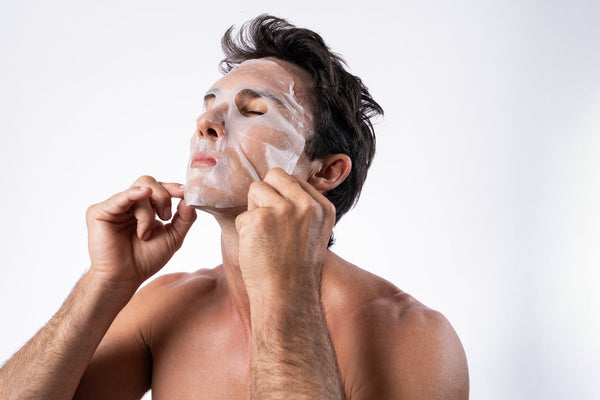
Hydrodermabrasion, often commercially known by the trademarked brand HydraFacial, is a non-invasive, multi-stage dermal treatment that integrates mechanical exfoliation, chemical peeling, and vacuum-assisted extraction with the simultaneous infusion of specialised serums. Unlike traditional microdermabrasion which relies on abrasive crystals or diamond tips, hydrodermabrasion utilises a unique spiral-shaped tip that creates a vortex effect to dislodge impurities while bathing the skin in hydrating and antioxidant-rich solutions [1]. The process typically involves three distinct steps: cleansing and peeling to uncover a new layer of skin, extracting debris from pores through painless suction, and hydrating the skin surface by saturating it with intense moisturisers and nourishing peptides [2].
This treatment is suitable for a broad demographic due to its adjustable intensity and versatile serum options. It is particularly effective for individuals seeking to address dullness, fine lines, uneven skin texture, and mild congestion without the downtime associated with more aggressive resurfacing techniques [3]. While generally safe for most skin types, including sensitive skin, it is especially beneficial for those with dehydrated skin or those looking for a 'red carpet' glow before an event. However, individuals with active inflammatory acne, rosacea flares, or specific allergies to salicylic acid or honey (common serum ingredients) should consult a clinician before proceeding [2].
From a physiological perspective, hydrodermabrasion facilitates transdermal delivery of active ingredients by temporarily disrupting the stratum corneum barrier. The mechanical action of the vortex tip, combined with mild chemical exfoliants like salicylic and glycolic acids, reduces corneocyte cohesion, allowing for deeper penetration of low-molecular-weight hyaluronic acid and antioxidants [1]. This process stimulates the skin's natural wound-healing response on a microscopic level, which can lead to increased fibroblast activity and collagen synthesis over repeated sessions.
Furthermore, the vacuum-assisted lymphatic drainage component of the treatment helps to reduce facial oedema and improve microcirculation within the dermis [3]. By removing the accumulated layer of dead skin cells and sebum, the treatment optimises the skin's refractive index, resulting in an immediate improvement in visible radiance and 'luminosity'. The clinical efficacy of this modality is supported by its ability to provide measurable improvements in skin hydration levels and surface roughness while maintaining a high safety profile across various Fitzpatrick skin types [4].
To maintain the clarity and luminosity achieved through professional exfoliation, some of our clients choose to support their post-treatment results with Surface Renew, an AHA enzyme cleanser formulated with pineapple and papaya enzymes to gently encourage continued cell turnover. For those looking to seal in the deep hydration provided by a vortex infusion, the Balance Biome Crème utilises bifida ferment lysate to support the skin’s natural barrier resilience and ensure a balanced, supple complexion.
FAQ
How does hydrodermabrasion differ from traditional microdermabrasion?
Traditional microdermabrasion uses a dry, abrasive medium—such as sodium bicarbonate crystals or a diamond-encrusted wand—to mechanically sand the skin. While effective for resurfacing, it can be irritating for sensitive or dry skin types. Hydrodermabrasion, conversely, uses 'hydradermabrasion' technology which replaces the dry abrasive with a pressurised stream of liquid, making it significantly more hydrating and less abrasive [1][3]. This allows for the simultaneous treatment of skin concerns through active ingredient infusion, whereas traditional methods require post-treatment topical application [4].
What are the clinically proven benefits for skin ageing?
Clinical evaluations have demonstrated that hydrodermabrasion significantly improves the appearance of fine lines, pore size, and hyperpigmentation. A study involving multiple treatment sessions showed a measurable increase in epidermal thickness and improved fibroblast density, which are key markers for anti-ageing [2]. The infusion of antioxidants like polyphenols and peptides during the treatment also helps neutralise free radical damage caused by UV exposure, a primary driver of premature ageing in the Australian climate [5].
Is there any downtime or side effects to consider?
One of the primary advantages of hydrodermabrasion is the lack of clinical downtime. Most patients experience mild erythema (redness) that typically resolves within 30 to 60 minutes post-treatment [3]. Unlike deeper chemical peels or ablative lasers, the skin's barrier is not compromised to the point of peeling or scabbing. However, because the stratum corneum is thinned during exfoliation, the skin becomes more photosensitive; therefore, strict adherence to a broad-spectrum SPF 50+ sunscreen is essential to prevent post-inflammatory hyperpigmentation [5].
References:
[1] Loesch MM, et al. Journal of Cosmetic Dermatology. 2014;13(4):297-303. doi:10.1111/jocd.12114
[2] Freedman BM. Journal of Cosmetic and Laser Therapy. 2008;10(2):103-106. doi:10.1080/14764170802016404
[3] Shah M, et al. Dermatologic Surgery. 2021;47(2):220-225. doi:10.1097/DSS.0000000000002534
[4] Gerson J, et al. Milady Standard Esthetics: Fundamentals. 2019;12th Edition:450-455.
[5] Passeron T, et al. Journal of the European Academy of Dermatology and Venereology. 2019;33(S7):5-19. doi:10.1111/jdv.15773
Medical Disclaimer: This article is for educational purposes only and does not constitute medical advice. Always consult a qualified healthcare professional before starting any new skincare regimen. Content reviewed by a biomedical scientist.