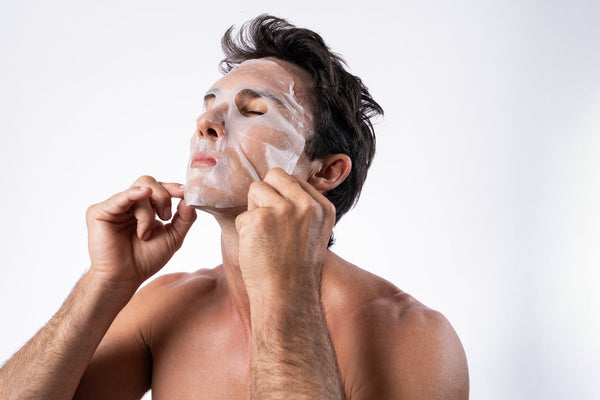
Slugging is a skincare technique that involves applying a thick layer of a petrolatum-based occlusive agent over the entire face as the final step in a nighttime routine. The primary objective is to create a physical barrier that traps moisture by preventing transepidermal water loss (TEWL), thereby aiding in skin barrier repair and hydration [1]. Petrolatum is the gold standard occlusive, capable of reducing TEWL by more than 98%, which allows the underlying stratum corneum to rehydrate more effectively than through humectants alone [2].
For those with oily skin, slugging is generally not recommended as a daily practice. Oily skin is characterised by overactive sebaceous glands producing excess sebum, which already acts as a natural occlusive. Applying a heavy layer of petrolatum can trap excess sebum, dead skin cells, and bacteria against the skin surface. This environment is highly conducive to the formation of comedones (clogged pores) and can exacerbate acne vulgaris in individuals prone to breakouts [3]. While petrolatum itself is technically non-comedogenic because its molecules are too large to penetrate the pores, its occlusive nature creates a 'seal' that prevents the natural shedding of follicular debris [4].
From a physiological perspective, the skin barrier relies on a delicate balance of ceramides, cholesterol, and fatty acids. Slugging mimics the function of the lipid bilayer by providing an artificial exogenous barrier. This is particularly beneficial for xerosis or compromised barriers where the natural lipid production is insufficient [1]. The mechanism works by increasing the water content of the stratum corneum, which facilitates enzymatically driven desquamation processes that require a hydrated environment [2].
However, in oily or 'seborrheic' skin types, the lipid composition is dominated by triglycerides and squalene. Introducing high-viscosity hydrocarbons like petrolatum can alter the follicular environment. This shifting of the cutaneous microenvironment can potentially lead to folliculitis or perioral dermatitis in sensitive individuals [4]. Therefore, the application must be carefully balanced against the skin's innate sebum production levels to avoid follicular occlusion [3].
For those exploring barrier-sealing techniques like slugging but concerned with congestion, our Balance Biome Crème was formulated with Niacinamide and Bifida Ferment Lysate to support a resilient microbiome without a heavy, occlusive feel. If your goal is to manage excess oil while maintaining this essential hydration, pairing a balanced moisturiser with a targeted cleanser such as Surface Purify which includes Salicylic Acid to gently clear pores—can help ensure the skin remains clarified and healthy.
FAQ
Can slugging cause acne if I have oily skin?
Yes, slugging can potentially trigger or worsen acne in oily-skinned individuals. Although petrolatum is non-comedogenic, it acts as a 'trap' for sebum and Cutibacterium acnes bacteria. When these are sealed under an occlusive layer, the risk of inflammatory papules and pustules increases significantly [3][5].
Are there alternatives to slugging for oily skin types?
Individuals with oily skin who experience dehydration should opt for 'light' occlusives or barrier-repair moisturisers containing ceramides, niacinamide, and hyaluronic acid. These provide hydration without the heavy film of petrolatum, maintaining the skin barrier while allowing for normal sebum flow [2][6].
Should oily skin ever use petrolatum products?
Petrolatum may be used by oily-skinned individuals in a 'spot-slugging' capacity. This involves applying the ointment only to locally dry or sensitive areas—such as the under-eyes or healing scars—while avoiding the sebum-heavy T-zone (forehead, nose, and chin) [1][4].
References:
[1] Del Rosso JQ. The Clinical Relevance of Maintaining the Skin Barrier. J Clin Aesthet Dermatol. 2011;4(2):22-30.
[2] Ghadially R, et al. Effects of petrolatum on stratum corneum structure and function. J Am Acad Dermatol. 1992;26(3):387-396. doi:10.1016/0190-9622(92)70060-S.
[3] Kligman AM. Petrolatum is not comedogenic. J Soc Cosmet Chem. 1996;47(1):41-48.
[4] Draelos ZD. The Art and Science of Moisturizers. Clinics in Dermatology. 2010;28(5):480-484. doi:10.1016/j.clindermatol.2010.03.004.
[5] Pappas A. The relationship of diet and acne. Dermato-endocrinology. 2009;1(5):262-267. doi:10.4161/derm.1.5.10192.
[6] Levin J, et al. How Much Do We Really Know About Our Favorite Cosmeceutical Ingredients? J Clin Aesthet Dermatol. 2010;3(2):22-41.
Medical Disclaimer: This article is for educational purposes only and does not constitute medical advice. Always consult a qualified healthcare professional before starting any new skincare regimen. Content reviewed by a biomedical scientist.