The primary difference between open blackheads (open comedones) and closed comedones (whiteheads) lies in whether the follicular opening is dilated or constricted. Open comedones occur when the follicular orifice is distended by a plug of sebum and keratinous debris. The dark appearance is not caused by dirt, but by the oxidation of melanin and lipids when exposed to the air [1]. This chemical reaction, known as melanisation or oxidation, changes the colour of the impaction to a characteristic dark brown or black [2].
In contrast, closed comedones are small, flesh-coloured papules where the follicular opening remains narrow or completely obstructed. Because the trapped sebum and keratin remain shielded from the air, oxidation does not occur, and the lesion remains white or pale [3]. While both are non-inflammatory forms of acne, closed comedones are often considered precursors to inflammatory lesions, as the anaerobic environment created by the blockage can facilitate the overgrowth of Cutibacterium acnes [1][4].
At a cellular level, both types of comedones originate from follicular hyperkeratinisation—a process where the cells lining the hair follicle (keratinocytes) fail to shed properly and adhere together. This is driven by hormonal fluctuations, specifically androgens, and changes in sebum composition, such as a decrease in linoleic acid [2][5]. In Australia's humid climates, increased sebum excretion rates can further exacerbate this accumulation, leading to the clinical presentation of comedonal acne.
The progression from a microcomedone to a visible lesion involves complex signalling pathways, including the activation of the IL-1α cytokine, which triggers the keratinocyte proliferation seen in both open and closed varieties [4]. Recognising these differences is vital for selecting the correct topical therapy, as the permeability of the follicular plug dictates how effectively active ingredients can penetrate the pore [6].
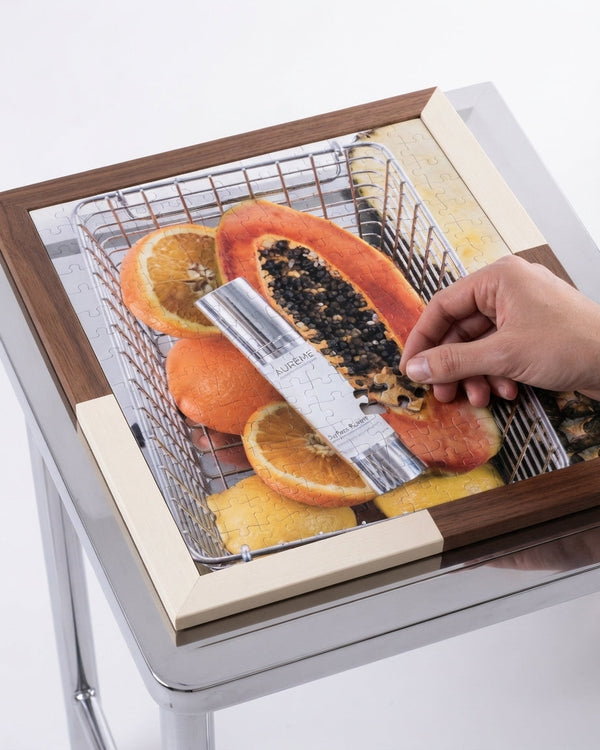
For those looking to address the persistent congestion associated with open and closed comedones, our [Surface Purify](https://auremeskin.com.au/products/surface-purify) was formulated with Salicylic Acid to gently clear the follicular opening of trapped sebum and debris. To support the skin’s recovery and maintain a clear, harmonious complexion following exfoliation, many of our customers find that [Balance Biome Crème](https://auremeskin.com.au/products/balance-biome-creme) provides the necessary hydration without overwhelming the pores.
FAQ
Can a closed comedone turn into a blackhead?
Yes, it is possible for a closed comedone to evolve into an open blackhead if the follicular orifice dilates due to the continued accumulation of pressure from sebum and keratin. Once the plug is exposed to oxygen, oxidation occurs [1]. Conversely, if the follicle wall ruptures under pressure, it may progress into an inflammatory papule or pustule rather than a blackhead [3].
What are the most effective treatments for comedonal acne in Australia?
Topical retinoids are considered the gold standard for treating both open and closed comedones as they are comedolytic, meaning they help to normalise keratinisation and prevent the formation of the initial microcomedone [5]. Salicylic acid, a lipophilic beta-hydroxy acid, is also highly effective for blackheads because it can penetrate the sebum-filled pore to dissolve the keratinous plug [6]. Many Australian dermatologists also recommend azelaic acid for its ability to reduce hyperkeratinisation while offering anti-inflammatory benefits [7].
Does diet influence the formation of comedones?
Emerging evidence suggests that high-glycaemic load diets and excessive dairy consumption may stimulate insulin-like growth factor 1 (IGF-1), which increases androgen production and sebum synthesis, potentially worsening comedonal acne [8]. Maintaining a balanced diet with low-glycaemic index foods may support clinical treatments in managing recurring comedones [5].
References:
[1] Zaenglein AL, et al. Guidelines of care for the management of acne vulgaris. Journal of the American Academy of Dermatology. 2016;74(5):945-73. doi:10.1016/j.jaad.2015.12.037
[2] Thiboutot D, et al. New insights into the management of acne: An update from the Global Alliance to Improve Outcomes in Acne. Journal of the American Academy of Dermatology. 2009;60(5):S1-50. doi:10.1016/j.jaad.2009.01.019
[3] Sutaria AH, et al. Acne Vulgaris. StatPearls Publishing. 2023. PMID: 29083677.
[4] Tanghetti EA. The role of inflammation in the pathology of acne. The Journal of Clinical and Aesthetic Dermatology. 2013;6(9):27-35. PMC3780801.
[5] Bowe WP, et al. Diet and acne. Journal of the American Academy of Dermatology. 2010;63(1):124-41. doi:10.1016/j.jaad.2009.07.043
[6] Arif T. Salicylic acid as a peeling agent: a comprehensive review. Clinical, Cosmetic and Investigational Dermatology. 2015;8:455-61. doi:10.2147/CCID.S84765
[7] Sieber MA, Hegel JK. Azelaic acid: Evidence-based update on mechanism of action and efficacy. Journal of the German Society of Dermatology. 2014;12(5):380-83. doi:10.1111/ddg.12295
[8] Melnik BC. Evidence for acne-promoting effects of milk and other insulinotropic dairy products. Nestle Nutrition Institute Workshop Series. 2011;67:131-45. doi:10.1159/000325580
Medical Disclaimer: This article is for educational purposes only and does not constitute medical advice. Always consult a qualified healthcare professional before starting any new skincare regimen. Content reviewed by a biomedical scientist.