Technically, you can use a daytime moisturiser at night, but it may not provide the best environment for nocturnal skin recovery. During the day, the skin's primary physiological role is defence against environmental stressors like ultraviolet radiation and pollution; therefore, daytime formulations often contain SPF and antioxidants [1]. At night, however, skin permeability increases and the rate of cell proliferation peaks, meaning the skin is primed for absorption of reparative ingredients rather than defensive ones [2].
While a simple hydrating daytime moisturiser without SPF is generally safe for night use, using a product containing sunscreens (such as Zinc Oxide or chemical filters) while you sleep is suboptimal. These filters are not necessary during the night and may contribute to unnecessary occlusiveness or potential irritation for sensitive skin types during the peak repair phase [3]. For the best results, a dedicated night cream is preferred to support the skin's circadian rhythm and the natural increase in transepidermal water loss that occurs during sleep [4].
Skin physiology follows a strict circadian rhythm regulated by molecular 'clock genes'. During daylight hours, the skin focuses on photoprotection and maintaining the permeability barrier against external insults. Conversely, the nocturnal phase is characterised by increased blood flow and a significant rise in mitotic activity within the basal layer of the epidermis, facilitating DNA repair and cellular regeneration [2][5].
Formulation science distinguishes between these phases by adjusting the lipid-to-water ratio and the inclusion of specific actives. Night-time formulations are typically more emollient to counteract the increase in nocturnal transepidermal water loss (TEWL), which occurs due to the rise in skin temperature and a decrease in barrier function during sleep [4]. This makes the night an ideal time for delivering heavier lipids and restorative actives like ceramides and peptides.
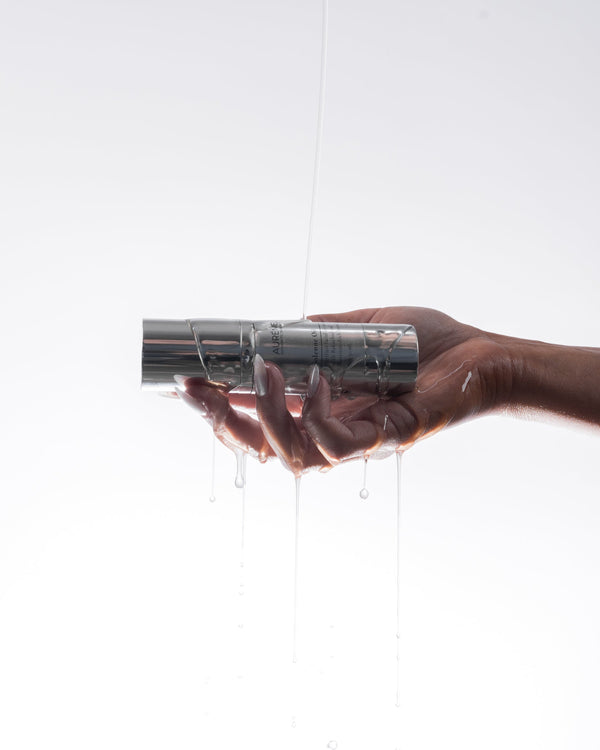
To complement this nocturnal shift toward repair, many of our clients opt for a richer formula like [Cellular Crème](https://auremeskin.com.au/products/cellular-creme), which is specialised for barrier sealing and youth-maintenance during these peak recovery hours. For those looking to further support skin longevity, incorporating our [Cellular Thread](https://auremeskin.com.au/products/cellular-thread) serum underneath provides a concentrated peptide complex that the skin recognises and utilises to minimise the visible signs of ageing while you rest.
FAQ
Is it bad to sleep with SPF in my moisturiser?
It is not inherently dangerous, but it is not best practice. Sunscreen filters are designed to sit on the surface of the skin to reflect or absorb UV rays, whereas night-time is the best period for deep ingredient penetration. Wearing SPF to bed provides no benefit and may increase the risk of follicular congestion or breakouts in acne-prone individuals due to the heavier texture of some mineral filters [1][3].
What are the best ingredients to look for in a night cream?
The best night-time products contain ingredients that support the skin barrier and target specific concerns like ageing. Look for ceramides and fatty acids to replenish the lipid barrier, as well as retinoids or peptides that capitalise on the high rate of cellular turnover occurring during the night [2][5]. Humectants like hyaluronic acid and glycerine are also essential to mitigate nocturnal dehydration [4].
How does skin permeability change at night?
Research indicates that skin permeability is highest during the evening and night. This is caused by a decrease in skin barrier efficiency and an increase in local skin temperature, which facilitates the transdermal delivery of active molecules [4][6]. Consequently, applying high-performance actives at night can result in better efficacy compared to daytime application.
References:
[1] Passeron T, et al. Journal of the European Academy of Dermatology and Venereology. 2019;33(S7):5-19. doi:10.1111/jdv.15773.
[2] Lyons AB, et al. Journal of Clinical and Aesthetic Dermatology. 2019;12(12):42-45.
[3] Draelos ZD. Dermatologic Clinics. 2019;37(1):15-20. doi:10.1016/j.det.2018.07.001.
[4] Yosipovitch G, et al. Journal of Investigative Dermatology. 1998;110(1):20-23. doi:10.1046/j.1523-1747.1998.00073.x.
[5] Matsui MS, et al. International Journal of Molecular Sciences. 2016;17(6):901. doi:10.3390/ijms17060901.
[6] Vaughn AR, et al. American Journal of Clinical Dermatology. 2018;19(6):783-795. doi:10.1007/s40257-018-0371-y.
Medical Disclaimer: This article is for educational purposes only and does not constitute medical advice. Always consult a qualified healthcare professional before starting any new skincare regimen. Content reviewed by a biomedical scientist.