For optimal skin health, you should avoid both hot and cold water, instead favouring lukewarm water (approximately 30°C to 36°C). Hot water is particularly detrimental as it induces rapid vasodilation and significantly compromises the skin's natural lipid barrier. High temperatures increase the solubility of essential fatty acids and ceramides, stripping the stratum corneum of the oily substances that lock in moisture, leading to trans-epidermal water loss (TEWL) and a compromised skin defence [1][2].
Conversely, very cold water is inefficient at emulsifying daily debris. While it may provide a temporary 'pore-tightening' sensation due to vasoconstriction, it prevents surfactants in your cleanser from effectively breaking down excess sebum and pollutants. Furthermore, extreme cold can cause minor irritation in sensitive skin types or those prone to rosacea. Lukewarm water provides the 'best' balance, allowing for effective surfactant activity and thorough rinsing without denaturing the proteins or melting the lipids that maintain structural integrity [3].
The biophysical response of the skin to water temperature is governed by the thermal sensitivity of the lipid bilayer and the enzymatic activity within the epidermis. The stratum corneum acts as a semi-permeable membrane where the organisation of lipids is highly temperature-dependent. When exposed to heat, these lipids undergo a phase transition from a structured crystalline state to a disordered liquid state, which increases permeability and vulnerability to irritants [2].
From a formulation perspective, the efficacy of synthetic detergents (syndets) and traditional soaps is also temperature-sensitive. Lukewarm water optimises the 'critical micelle concentration' of cleansers, ensuring that dirt and oils are encapsulated and rinsed away without the harsh aggressive action associated with high thermal energy. Maintaining this thermal equilibrium is essential for preventing chronic sub-clinical inflammation and ensuring the skin's acid mantle remains stabilised [4].
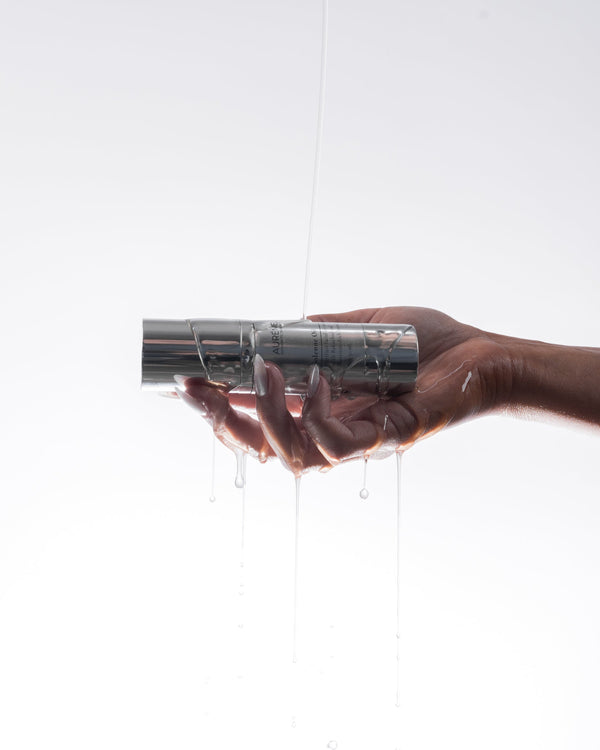
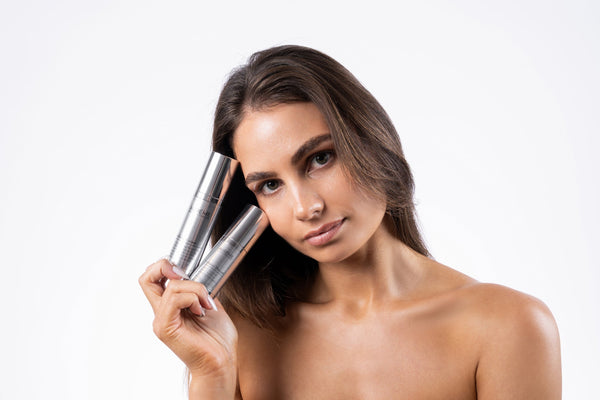
To support the skin’s integrity after rinsing with lukewarm water, many of our clients opt for [Surface Calm](https://auremeskin.com.au/products/surface-calm), a ceramide-rich cleanser designed to replenish the lipid barrier rather than strip it. For those concerned with trans-epidermal water loss, following with [Cellular Crème](https://auremeskin.com.au/products/cellular-creme) provides a sophisticated blend of peptides and sodium hyaluronate to help seal in essential moisture and maintain long-term suppleness.
FAQ
Does cold water really 'close' your pores?
This is a common physiological myth; pores are not like doors and do not have muscles to open or close. Cold water causes a temporary constriction of local blood vessels (vasoconstriction), which may make the skin appear temporarily firmer or less puffy, but it does not change the physical size of the pore structure [3][5].
Can hot water help with acne by opening pores?
No, hot water does not 'open' pores to deep clean them; instead, it often exacerbates acne. Excessive heat triggers an inflammatory response and over-dries the skin surface, which can lead to reactive seborrhoea—where the skin produces even more oil to compensate for the loss of moisture, potentially worsening breakouts [1][6].
Is the 'hot cloth' cleansing method safe for sensitive skin?
Australian dermatological perspectives generally advise caution with hot cloth methods. While the steam may soften the keratinised surface, the combination of high heat and mechanical friction from the cloth can cause micro-tears and significant barrier disruption. If using this method, ensure the cloth is only lukewarm and used with minimal pressure to avoid telangiectasia (broken capillaries) [2][4].
References:
[1] Draelos ZD. The science behind skin care: Cleansers. Journal of Cosmetic Dermatology. 2018;17(2):221-228. doi:10.1111/jocd.12469.
[2] Ananthapadmanabhan KP, et al. Cleansing without compromise: the impact of cleansers on the skin barrier and the role of lipids. Dermatologic Therapy. 2004;17(s1):16-25. doi:10.1111/j.1396-0296.2004.04s1002.x.
[3] Rawlings AV, et al. Towards an understanding of the skin barrier and its maintenance. International Journal of Cosmetic Science. 2011;33(3):203-211. doi:10.1111/j.1468-2494.2011.00645.x.
[4] Surber C, et al. The Acid Mantle: A Myth or an Essential Part of Skin Health? Current Problems in Dermatology. 2018;54:1-10. doi:10.1159/000489512.
[5] Flament F, et al. Facial skin pores: a multiethnic study. Clinical, Cosmetic and Investigational Dermatology. 2015;8:85-93. doi:10.2147/CCID.S74401.
[6] Kurokawa I, et al. New developments in our understanding of acne pathogenesis and treatment. Experimental Dermatology. 2009;18(10):821-832. doi:10.1111/j.1600-0625.2009.00890.x.
Medical Disclaimer: This article is for educational purposes only and does not constitute medical advice. Always consult a qualified healthcare professional before starting any new skincare regimen. Content reviewed by a biomedical scientist.