Yes, bakuchiol is scientifically recognised as a functional analogue to retinol, meaning that while their chemical structures are entirely different, they induce similar gene expression patterns in the skin [1]. Derived from the seeds and leaves of the *Psoralea corylifolia* (Babchi) plant, bakuchiol has been shown in clinical head-to-head trials to significantly decrease wrinkle surface area and hyperpigmentation with a comparable efficacy to 0.5% retinol [2].
Crucially for those with sensitive skin, bakuchiol offers these benefits without the characteristic irritation—often termed 'retinisation'—associated with vitamin A derivatives. While retinol often causes stinging, dryness, and peeling, bakuchiol is generally better tolerated and does not exhibit the same photoinstability, allowing for both morning and evening application [3]. This makes it an ideal plant-based alternative for individuals who cannot tolerate traditional retinoids due to eczema, rosacea, or general skin fragility.
Bakuchiol is a meroterpene phenol that interacts with many of the same molecular targets as retinoids. Research indicates that bakuchiol upregulates types I and IV collagen and stimulates aquaporin-3, which enhances skin hydration and structural integrity [1]. Unlike retinol, which must be enzymatically converted into retinoic acid within the skin, bakuchiol achieves its effects through distinct biochemical pathways that ultimately result in a similar phenotypic shift in cutaneous ageing markers [4].
Beyond its anti-ageing capabilities, bakuchiol possesses significant antioxidant and anti-inflammatory properties. It inhibits the lipid peroxidation of skin surface lipids and suppresses the expression of pro-inflammatory cytokines, which may provide additional protection against environmental stressors [5]. In the Australian climate, where UV-induced oxidative stress is high, these secondary characteristics make it a robust addition to a preventative skincare routine.
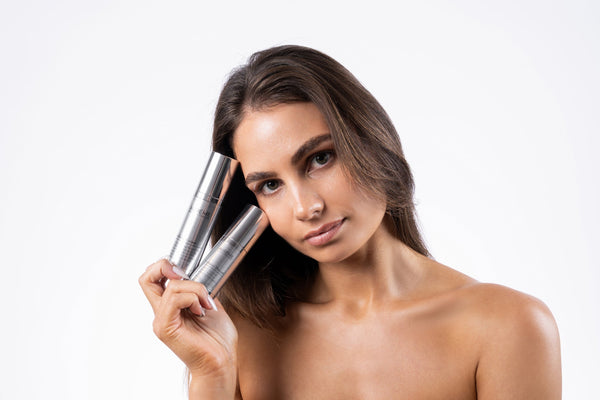
For those looking for a gentle way to integrate this botanical into their routine, our [Solenne Oil](https://auremeskin.com.au/products/solenne-oil) was formulated as a dedicated retinol alternative treatment to support overnight renewal without the typical irritation. If your skin is also prone to congestion, you may find that [Surface Purify](https://auremeskin.com.au/products/surface-purify) offers a balanced approach to clarifying the complexion by combining bakuchiol with salicylic acid to minimise breakouts while maintaining skin longevity.
FAQ
Can bakuchiol be used during pregnancy?
While topical retinoids are generally avoided during pregnancy as a precautionary measure, bakuchiol is often suggested as a safer alternative because it is not a vitamin A derivative [2]. However, as with any new botanical extract during pregnancy, users should consult their healthcare professional to ensure the specific formulation is appropriate for their needs [3].
Is bakuchiol photo-stable enough for daytime use?
Yes, bakuchiol is highly photo-stable and does not degrade when exposed to UV light, unlike traditional retinol which is notoriously unstable and should typically only be applied at night [1]. In fact, bakuchiol's antioxidant properties may help stabilise other ingredients in a formulation and protect the skin from oxidative damage throughout the day [5].
How long does it take to see results with bakuchiol?
Clinical studies show that significant improvements in skin texture, pigmentation, and fine lines are typically observed after 12 weeks of consistent twice-daily application [2]. This timeline is similar to that of over-the-counter retinol products, though users often report better compliance because bakuchiol does not require a 'purging' or acclimation period [4].
References:
[1] Chaudhuri RK, Bojanowski K. Bakuchiol: a retinol-like functional compound revealed by gene expression profiling and clinically proven to have anti-aging effects. Int J Cosmet Sci. 2014;36(3):221-230. doi:10.1111/ics.12117
[2] Dhaliwal S, et al. Prospective, randomized, double-blind assessment of topical bakuchiol multi-step skincare vs retinol 0.5% in facial photoageing. Br J Dermatol. 2019;180(2):289-296. doi:10.1111/bjd.16918
[3] Greenzaid J, et al. Bakuchiol: A Review of its Skin Health Benefits and Safety Profile. J Drugs Dermatol. 2022;21(8):850-855.
[4] Goldberg DJ, et al. Clinical evaluation of a bakuchiol-containing serum for facial photoageing. J Cosmet Dermatol. 2020;19(9):2310-2315. doi:10.1111/jocd.13284
[5] Draelos ZD, et al. Assessment of a Bakuchiol-Based Moisturizer for Sensitive Skin. J Drugs Dermatol. 2020;19(12):1181-1186.
Medical Disclaimer: This article is for educational purposes only and does not constitute medical advice. Always consult a qualified healthcare professional before starting any new skincare regimen. Content reviewed by a biomedical scientist.