Azelaic acid, a naturally occurring dicarboxylic acid, serves as a first-line topical treatment for inflammatory rosacea and persistent facial redness. It functions primarily by modulating the innate immune response, specifically inhibiting the kallikrein-5 (KLK5) enzyme and subsequent cathelicidin peptide activation, which are typically overexpressed in rosacea-prone skin [1]. By suppressing these pro-inflammatory pathways, it effectively reduces the formation of papules and pustules while calming the vascular reactivity that leads to visible flushing [2].
Beyond its immunological role, azelaic acid acts as a potent antioxidant that neutralises reactive oxygen species (ROS), which contribute to the chronic inflammatory cycle observed in erythema. Clinical trials have demonstrated that a 15% gel or 20% cream formulation significantly improves the global assessment of rosacea symptoms within 12 to 15 weeks of consistent use [3]. Unlike some harsher actives, its ability to normalise keratinisation also helps to refine skin texture without causing the significant barrier disruption often associated with retinoids or hydroxy acids [4].
From a biochemical perspective, azelaic acid is a saturated nine-carbon dicarboxylic acid that exhibits a multifaceted mechanism of action. It targets the activity of neutrophils and decreases the production of pro-inflammatory cytokines such as interleukin-1 (IL-1), interleukin-6 (IL-6), and tumour necrosis factor-alpha (TNF-α) [1]. This molecular downregulation is crucial for Australian patients dealing with environmental triggers like intense UV radiation, which can exacerbate the inflammatory cascade in sensitive skin types.
Furthermore, azelaic acid possesses mild antimicrobial properties, though it is not technically an antibiotic. It inhibits the growth of Cutibacterium acnes and Staphylococcus epidermidis, which may play a role in the microbial dysbiosis associated with papulopustular rosacea [5]. Its ability to inhibit tyrosinase also makes it a valuable secondary treatment for post-inflammatory hyperpigmentation that can occur once rosacea lesions heal, providing a dual-action approach to complexion correction [2].
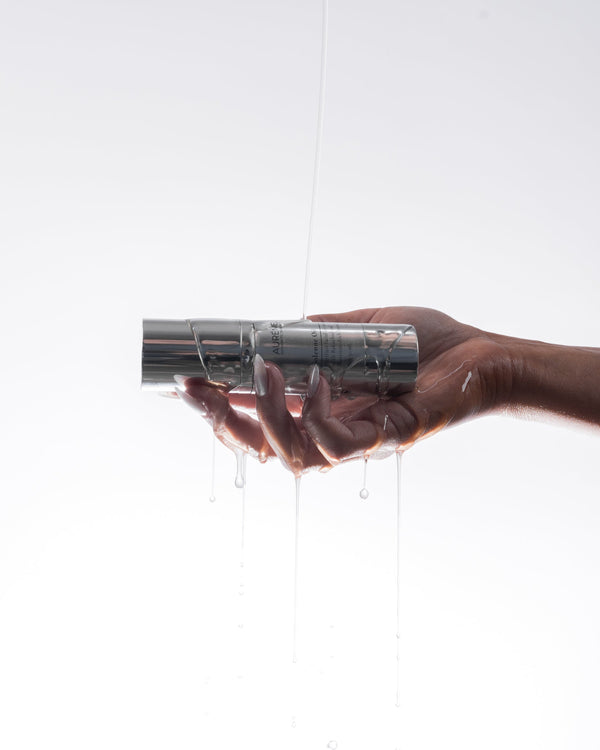
For those managing the sensitivities often associated with rosacea, maintaining a resilient skin barrier is a vital step in supporting the effects of topical treatments. You may find that integrating a specialised moisturiser like [Balance Biome Crème](https://auremeskin.com.au/products/balance-biome-creme) helps to foster a balanced complexion through its inclusion of Bifida Ferment Lysate and Niacinamide, while [Surface Calm](https://auremeskin.com.au/products/surface-calm) provides a gentle, ceramide-rich cleansing experience that respects the skin’s natural defence systems without causing further irritation.
FAQ
Is azelaic acid better than metronidazole for rosacea?
Comparative clinical studies suggest that azelaic acid 15% gel is at least as effective, and in some cases superior, to metronidazole 0.75% gel in reducing inflammatory lesions and erythema [3]. While metronidazole is a traditional gold standard, azelaic acid offers the added benefit of improving skin texture and addressing pigmentation issues, making it a versatile choice for long-term maintenance therapy [6].
Can I use azelaic acid with vitamin C or niacinamide?
Yes, azelaic acid is highly stable and can be layered with other actives. Combining it with niacinamide is particularly beneficial for rosacea patients, as niacinamide enhances skin barrier function by increasing ceramide synthesis, which helps minimise the stinging sensation sometimes associated with azelaic acid application [4]. When using with Vitamin C, it is generally recommended to apply them at different times of the day or ensure the skin has fully absorbed the first product to maintain optimal pH efficacy [7].
How long does it take to see results for redness?
Initial improvements in inflammatory lesions (pimples) can often be seen within 4 to 6 weeks. However, significant reduction in chronic redness and vascular flushing typically requires 12 to 15 weeks of twice-daily application [1][5]. Consistency is key in managing the chronic nature of rosacea, and many dermatologists recommend continued use to prevent flare-ups [3].
References:
[1] Coda AB, et al. Journal of Clinical and Aesthetic Dermatology. 2013;6(2):19-26. doi:10.12788/0013-9270.
[2] Schulte BC, et al. Journal of Drugs in Dermatology. 2015;14(9):964-968.
[3] Elewski BE, et al. Archives of Dermatology. 2003;139(11):1444-1450. doi:10.1001/archderm.139.11.1444.
[4] Draelos ZD. Dermatologic Clinics. 2014;32(3):365-371. doi:10.1016/j.det.2014.03.006.
[5] Gollnick H, et al. American Journal of Clinical Dermatology. 2004;5(4):285-294. doi:10.2165/00128071-200405040-00009.
[6] Thiboutot D, et al. Journal of the American Academy of Dermatology. 2003;48(6):836-845. doi:10.1067/mjd.2003.304.
[7] Sieber MA, et al. International Journal of Cosmetic Science. 2012;34(3):286-293. doi:10.1111/j.1468-2494.2012.00713.x.
Medical Disclaimer: This article is for educational purposes only and does not constitute medical advice. Always consult a qualified healthcare professional before starting any new skincare regimen. Content reviewed by a biomedical scientist.