The necessity of a separate eye cream depends largely on your specific skin concerns and the formulation of your facial moisturiser. From a physiological standpoint, the periorbital (eye area) skin is significantly thinner—approximately 0.5mm compared to 1-2mm on the rest of the face—and possesses fewer sebaceous glands, making it more prone to transepidermal water loss (TEWL) and mechanical stress [1]. If your standard facial moisturiser is fragrance-free, ophthalmologist-tested, and contains basic humectants like hyaluronic acid, it can safely provide hydration to the eye area without the need for a separate product [2].
However, dedicated eye creams are formulated to address unique anatomical challenges that general moisturisers may overlook. Because the eye area is highly vascularised and subject to constant micro-movements from blinking, it is the first to exhibit signs of photo-ageing and fatigue [3]. Specialised eye formulations often utilise lower concentrations of active ingredients (like retinol) to prevent irritant contact dermatitis on thin skin, while incorporating specific actives like caffeine or vitamin K to target puffiness and dark circles—issues that standard face creams are not typically designed to treat [1][4].
The periorbital region is a unique micro-environment characterised by a diminished epidermal barrier and a high density of mast cells, which increases its reactivity to topical allergens and irritants [2]. Unlike the thicker dermis found on the cheeks or forehead, the eye area lacks a robust underlying fat pad in certain zones, leading to the early appearance of fine lines, often referred to as 'crow's feet' [3].
Furthermore, the pH of the ocular surface and surrounding skin must be carefully managed to avoid stinging or chemosis. Clinical studies indicate that products formulated specifically for the eyes undergo rigorous 'buffer' testing to ensure they do not migrate into the eye and cause follicular irritation, a common issue with heavier, lipid-rich occlusive moisturisers designed for the neck or face [4][5].
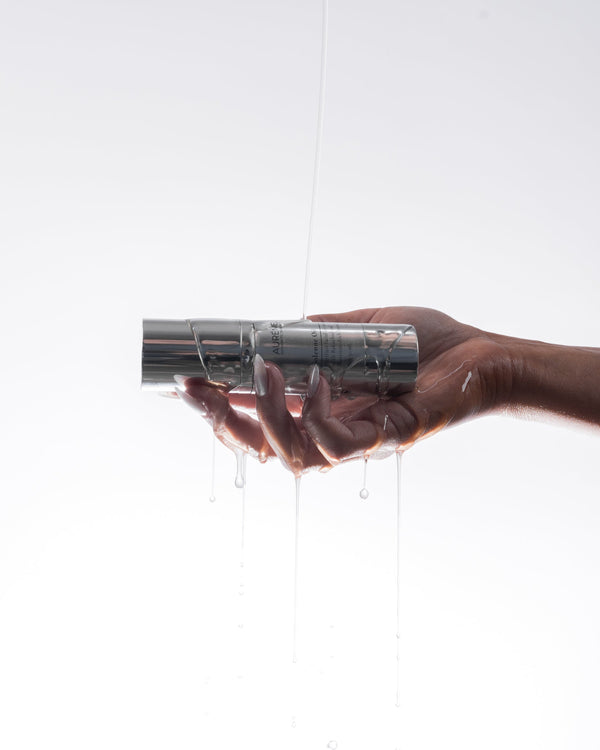
For those exploring targeted support for the delicate periorbital area, our Cellular Thread was formulated with a specialised peptide complex to assist with firmness and luminosity without the weight of a heavy cream. If you prefer a more nourishing finish to minimise transepidermal water loss, Cellular Crème includes sodium hyaluronate and shea butter to help maintain a supple, youth-preserved appearance through deep hydration.
FAQ
Can I use my prescription retinoid around my eyes?
It is generally advised to exercise caution. Prescription-strength tretinoin is often too potent for the delicate periorbital skin, frequently leading to redness, flaking, and severe dryness [1]. If you wish to use retinoids near the eyes, a specialised eye cream containing micro-encapsulated retinol or retinyl palmitate is preferred, as these deliver the active ingredient more slowly to minimise the risk of irritation [5].
Why do some moisturisers cause my eyes to puff up?
This is often due to 'migration' and the use of heavy occlusives like petrolatum or thick waxes. When these ingredients are applied too close to the lash line, they can trap heat or migrate into the eye, causing mild inflammation or fluid retention known as oedema [2]. Additionally, high salt content or certain fragrances in face creams can trigger a minor allergic response, manifesting as puffiness [4].
Does caffeine in eye creams actually work for dark circles?
Caffeine acts as a topical vasoconstrictor, which can temporarily shrink the blood vessels beneath the thin skin of the lower eyelid, reducing the appearance of blue-toned dark circles and localised oedema [3]. While effective for vascular-related shadows, it will not treat hyperpigmentation caused by excess melanin or structural hollows caused by ageing-related fat loss [6].
References:
[1] Draelos ZD. The science behind eye creams. Journal of Cosmetic Dermatology. 2018;17(3):324-331. doi:10.1111/jocd.12490
[2] Berson DS, et al. Periorbital Hyperpigmentation: A Comprehensive Review. Journal of Clinical and Aesthetic Dermatology. 2020;13(9):28-35.
[3] Pilkington SJ, et al. A review of the physiological and anatomical differences in facial skin. International Journal of Cosmetic Science. 2019;41(5):423-430. doi:10.1111/ics.12563
[4] Lupo MP. Cosmetic ethno-medicine: the eye area. Dermatologic Therapy. 2021;34(2):e14782. doi:10.1111/dth.14782
[5] Mukherjee S, et al. Retinoids in the treatment of skin aging: an overview of clinical efficacy and safety. Clinical Interventions in Aging. 2006;1(4):327-348. doi:10.2147/cia.2006.1.4.327
[6] Vrcek I, et al. Infraorbital Dark Circles: A Review of Pathogenesis and Treatment Options. Journal of Cutaneous and Aesthetic Surgery. 2016;9(2):65-72. doi:10.4103/0974-2077.184046
Medical Disclaimer: This article is for educational purposes only and does not constitute medical advice. Always consult a qualified healthcare professional before starting any new skincare regimen. Content reviewed by a biomedical scientist.