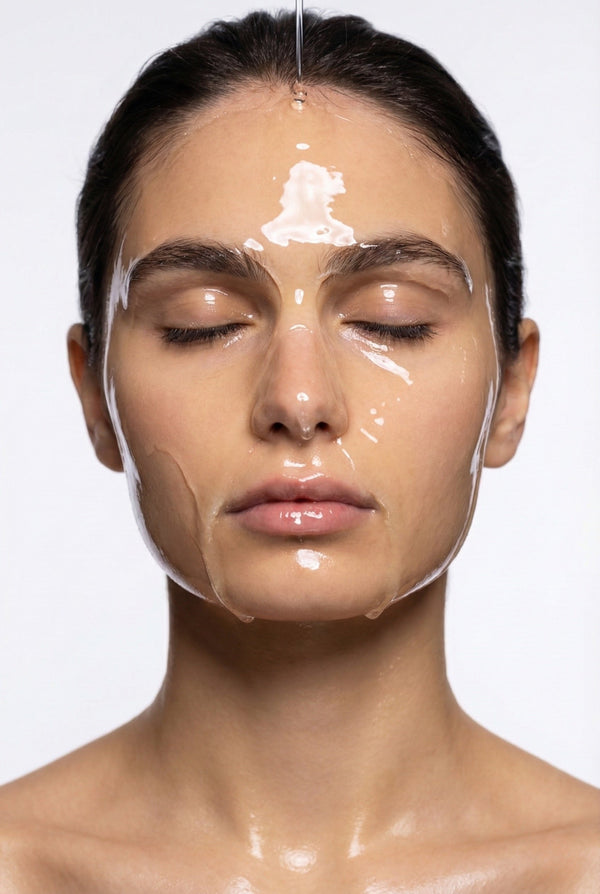
Achieving 'glass skin' naturally involves optimising the skin's surface architecture to maximise specular reflection while minimising light scattering. This is primarily achieved through intensive multilayered hydration and the maintenance of a smooth stratum corneum. From a biomedical perspective, this requires the use of humectants like hyaluronic acid and glycerine to increase the water content of the viable epidermis, creating a 'plumping' effect that smoothens fine lines [1]. In the Australian climate, this must be balanced with occlusive emollients to prevent transepidermal water loss (TEWL) caused by low humidity and high UV exposure.
To achieve this look without heavy makeup, one must focus on the biological repair of the skin barrier. Clinical studies suggest that incorporating niacinamide (Vitamin B3) enhances the production of ceramides and fatty acids, which are essential for a reflective, 'poreless' appearance [2]. Furthermore, gentle chemical exfoliation using Polyhydroxy Acids (PHAs) or low-concentration Alpha Hydroxy Acids (AHAs) accelerates cellular turnover, removing desquamating corneocytes that dull the complexion, thereby allowing light to penetrate and reflect more evenly off the skin surface [3].
The optical phenomenon of 'glass skin' is dictated by the principles of biophotonics. When light hits the skin, it is either reflected off the surface or penetrates the deeper dermal layers where it undergoes backscattering. A smooth, well-hydrated stratum corneum acts like a polished glass pane, facilitating a high ratio of specular reflection to diffuse reflection, which results in the characteristic luminous glow [4]. Factors such as glycation, oxidative stress from UV radiation, and dehydration increase the surface roughness, causing light to scatter in multiple directions and making the skin appear matte or dull.
Furthermore, the 'clear' aspect of glass skin relates to the suppression of inflammatory pathways and the regulation of melanogenesis. In Australia, the high UV index necessitates a robust antioxidant defence system to prevent solar-induced erythema and hyperpigmentation. By utilising topical antioxidants like Vitamin C and Ferulic acid, individuals can maintain a more uniform skin tone by inhibiting tyrosinase activity and neutralising reactive oxygen species that degrade the extracellular matrix [5].
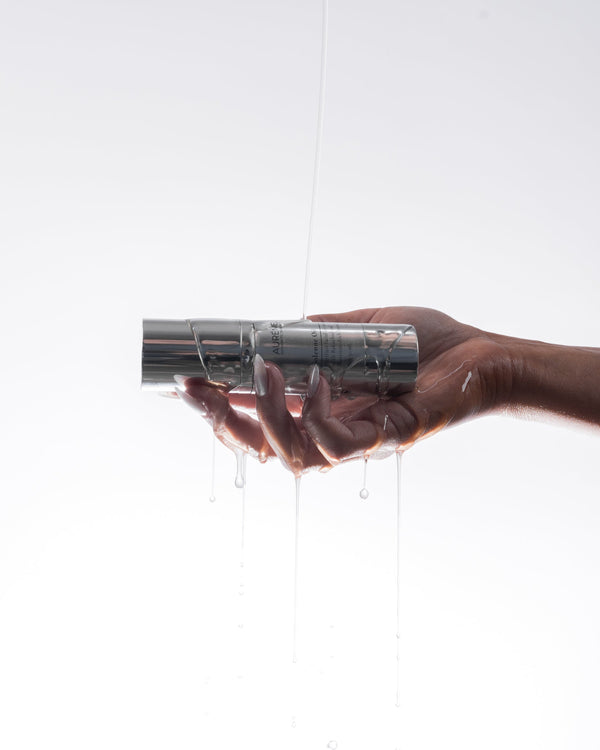
For those looking to enhance this luminosity, our Cellular Thread peptide treatment serum was formulated with Kakadu Plum and Gotu Kola to support the skin's natural radiance and firmness. Following this with a layer of Cellular Crème can help seal in that essential moisture, as it includes Sodium Hyaluronate to further plump the epidermis and maintain the supple, light-reflective surface characteristic of glass skin.
FAQ
Can diet alone help achieve the glass skin look naturally?
While topical treatments are primary, systemic nutrition supports skin luminosity. Consuming high levels of Omega-3 fatty acids and antioxidants has been shown to improve skin barrier function and reduce sub-clinical inflammation, which can otherwise cause 'muddiness' in the complexion [6]. Hydration through water intake is necessary but insufficient alone without topical lipids to lock moisture in [1].
How does the Australian climate affect the glass skin routine?
The Australian environment presents challenges such as high evaporation rates and intense UV. Achieving glass skin here requires 'sun-safe' luminosity; this means using high-protection, broad-spectrum SPF 50+ daily. Research indicates that chronic UV exposure thins the epidermis and degrades collagen, permanently reducing the skin's ability to hold the moisture required for a glass-like finish [7].
Is double cleansing necessary for natural glass skin?
Biomedically, double cleansing is highly effective for maintaining the clarity required for glass skin. An oil-based cleanser removes lipophilic debris (sebum, sunscreen, pollutants) without stripping the natural lipid barrier, while a gentle water-based cleanser removes remaining hydrophilic impurities. This prevents follicular occlusion and ensures a smoother surface for light reflection [8].
References:
[1] Dal'Belo SE, et al. Skin Research and Technology. 2006;12(4):241-246. doi:10.1111/j.1600-0846.2006.00155.x
[2] Gehring W. Journal of Cosmetic Dermatology. 2004;3(2):88-93. doi:10.1111/j.1473-2130.2004.00115.x
[3] Kornhauser A, et al. Clinical, Cosmetic and Investigational Dermatology. 2010;3:135-142. doi:10.2147/CCID.S12719
[4] Voegeli R, et al. International Journal of Cosmetic Science. 2019;41(4):384-391. doi:10.1111/ics.12555
[5] Pinnell SR, et al. Dermatologic Surgery. 2001;27(2):137-142. doi:10.1046/j.1524-4725.2001.00264.x
[6] Schagen SK, et al. Dermato-Endocrinology. 2012;4(3):298-307. doi:10.4161/derm.22876
[7] Benaiges A, et al. Journal of Photochemistry and Photobiology B: Biology. 2021;222:112260. doi:10.1016/j.jphotobiol.2021.112260
[8] Ananthapadmanabhan KP, et al. Dermatologic Therapy. 2004;17(s1):16-25. doi:10.1111/j.1396-0296.2004.04s1003.x
Medical Disclaimer: This article is for educational purposes only and does not constitute medical advice. Always consult a qualified healthcare professional before starting any new skincare regimen. Content reviewed by a biomedical scientist.