Azelaic acid is a naturally occurring dicarboxylic acid used primarily in dermatology to treat inflammatory skin conditions, most notably acne vulgaris and papulopustular rosacea. In Australia, it is a popular therapeutic choice because it functions as a multi-action ingredient: it is antibacterial, anti-inflammatory, and keratolytic. By inhibiting the growth of Propionibacterium acnes (now known as Cutibacterium acnes), it reduces the microbial population in the hair follicles, while simultaneously preventing the buildup of dead skin cells that lead to comedones [1].
Beyond its anti-acne properties, azelaic acid is highly effective in managing hyperpigmentation and melasma. It acts as a competitive inhibitor of tyrosinase, the enzyme responsible for melanin synthesis. Crucially, it specifically targets hyperactive or abnormal melanocytes rather than healthy pigment cells, making it a safer alternative to hydroquinone for long-term use in brightening the complexion and evening out skin tone [2]. Its anti-inflammatory profile also makes it a gold-standard treatment for reducing the persistent redness and bumps associated with rosacea [3].
Biochemically, azelaic acid is produced by the yeast Malassezia furfur, which lives on healthy human skin, and is also found in cereal grains like wheat and rye. In clinical formulations, it is typically used in concentrations ranging from 10% to 20%. Unlike Alpha Hydroxy Acids (AHAs), azelaic acid is a dicarboxylic acid, meaning it has two carboxyl groups that influence its solubility and ability to penetrate the lipid-rich environment of the sebaceous follicle [1].
Its mechanism of action involves the inhibition of mitochondrial oxidoreductases and DNA synthesis within abnormal cells. Furthermore, azelaic acid reduces the production of pro-inflammatory cytokines, such as interleukin-1β and interleukin-6, and inhibits the activation of the kallikrein-5–cathelicidin pathway, which is a major driver of rosacea pathogenesis [4]. This makes it a unique 'calming' exfoliant that strengthens the skin barrier while addressing blemishes.
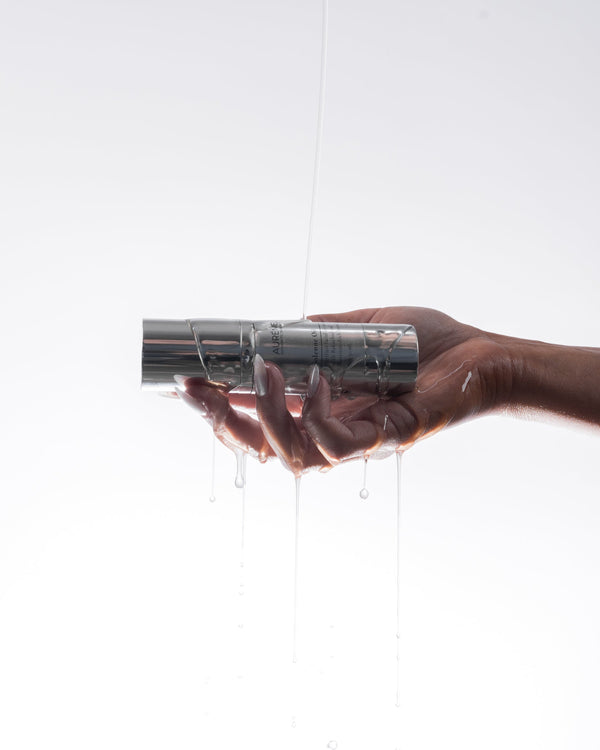
For those incorporating azelaic acid into their routine to manage congestion or sensitivity, maintaining a resilient skin barrier is an essential parallel step. Our Balance Biome Crème is formulated with Bifida Ferment Lysate and Niacinamide to support a balanced complexion, while Surface Purify offers a gentle way to further clarify the skin using Bakuchiol and Salicylic Acid without compromising essential moisture.
FAQ
Can azelaic acid be used with vitamin C or retinol?
Yes, azelaic acid is structurally stable and can be layered with other actives. When used with retinol, it can enhance the treatment of acne and photo-ageing, although users should monitor for increased sensitivity [2]. When paired with vitamin C, azelaic acid provides a synergistic effect on hyperpigmentation, as both ingredients target different stages of the melanogenesis pathway [5].
Is azelaic acid safe for use during pregnancy?
Azelaic acid is classified as a Pregnancy Category B ingredient in Australia, meaning it is considered one of the safest treatments for acne and melasma during pregnancy. Clinical studies show minimal systemic absorption, making it a preferred alternative to topical retinoids, which are contraindicated for expecting mothers [1],[3].
Does azelaic acid cause purging or irritation?
While azelaic acid is gentler than many acids, some users may experience a temporary 'tingling' sensation or mild itching upon application. True 'purging' is less common than with retinoids, but because it hastens cell turnover, initial breakouts may occur in the first 2-4 weeks as pre-existing microcomedones surface [4].
References:
[1] Sieber MA, Hegel JK. Azelaic acid: Evidence-based update on its mechanism of action and clinical application. British Journal of Dermatology. 2014;171(S2):9-16. doi:10.1111/bjd.13305
[2] Bandyopadhyay D. Topical treatment of melasma. Indian Journal of Dermatology. 2009;54(4):303-309. doi:10.4103/0019-5154.57602
[3] Thiboutot D, et al. Standard management options for rosacea: The 2019 update by the National Rosacea Society Expert Committee. Journal of the American Academy of Dermatology. 2020;82(6):1501-1510. doi:10.1016/j.jaad.2020.01.077
[4] Schulte BC, et al. Azelaic Acid: Evidence-based Review of its Use in Common Dermatological Conditions. Journal of Clinical and Aesthetic Dermatology. 2015;8(2):42-46.
[5] Wang AS, et al. Management of Hyperpigmentation: An Evidence-Based Review. Australian Journal of General Practice. 2021;50(3):121-127.
Medical Disclaimer: This article is for educational purposes only and does not constitute medical advice. Always consult a qualified healthcare professional before starting any new skincare regimen. Content reviewed by a biomedical scientist.